
Last year, Judge Foundry sponsored a year-long review contest. This year it’s back, bigger, and better!
More than $1700 of judge’s dues will go back out to the community in this contest, rewarding multiple regions for their collective efforts and at least ten judges for investing time and energy in their fellow judges.
As with the 2025 review contest, there will be three components of the contest: Regional – Quantity, Individual – Quality, and Individual – Quantity.
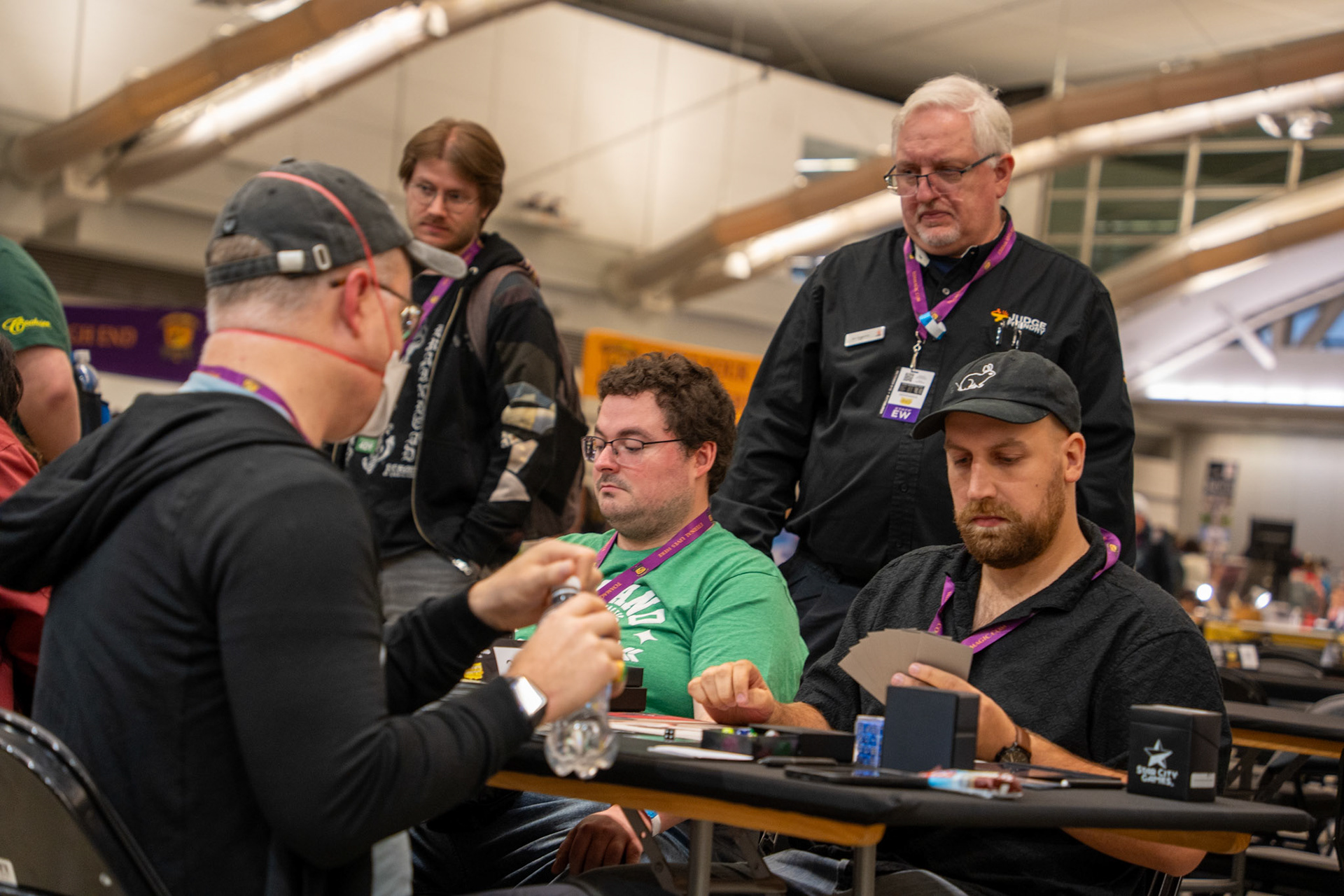
Regional Contest
Last year, Canada’s Western Provinces took home the prize of $500 for their collective efforts after writing more reviews per judge than any other region. As great as that was, however, I thought we could do better.
We could do more.
What’s better than one region getting rewarded for judges lifting each other up? That’s right: three regions getting rewarded.
For this year’s contest, in addition to the $500 prize for the region that writes the most reviews per capita, there are runner up prizes! The region in second place will get $400, and the third place region will get $300.
As with the 2025 contest, this prize money will go to the region’s RC, who will have wide latitude to think up something cool to do with it for their judges. The board reserves the right to veto if the RC’s “idea” is to buy them a plane ticket to Hawaii, but anything reasonable should get the thumbs up.
The key point for this part of the contest is that the winners are calculated per capita, not based on raw review counts. This way all regions are on equal footing instead of more populated regions having an unfair leg up.
Individual – Quantity
The next section of the review contest is for individuals that write the most reviews. Taking the time to help another judge learn something and improve for their next event is a great gift, and we want to encourage judges to look out for each other as much as possible. Judges who are investing time and energy in their community deserve a “thank you” back.
Last year’s grand prize for this portion of the contest included a hoodie with unique art, courtesy of Tobias Vyseri. But there was a problem. You see, it looked so cool that I felt bad about only giving one out. The fix? For this year, I asked the grant committee for more. More prizes, more money, more reviews, more hoodies!
So this year, the five judges who write the most reviews will all earn themselves a new hoodie, so they can show off their dedication to their fellow judges.
There’s no funny math with this potion – no per capita dividing, no metric conversion, no 24-hour clocks to convert to normal time…it’s simple. The five judges who write the most reviews by raw count will all win their prize, full stop.
As with last year’s contest, however, I don’t want any single judges to disproportionately carry their regions. So once again, the judges who place in the top five here will all count as sixth place when I’m doing the math for the regional contest.
Individual – Quality
There’s something to be said for writing the most reviews, but there’s also something noteworthy about writing the best reviews. This aspect of the contest aims to recognize judges who might not go to an event every weekend but make the most of the opportunities they get. All the great judges who help out at their local game stores but only get one or two multi-judge events a year, this portion is for you.
When you write or receive a review you think is particularly helpful, you can nominate it here. Come December, with permission of both the writer and recipient, a small team and I will look over the nominations and decide on the best reviews of the year. The top five best-written reviews will all get a commemorative hoodie to celebrate their efforts.
The Word Count
As with last year’s contest, there will be a word count minimum for reviews to be counted for both the regional and individual – quantity portions of the contest. And again, this count won’t be revealed until the end of the year.
The idea here is that if all reviews counted, it would incentivize spamming short reviews. Obviously that would be no good. And it’s a secret for the same reason we don’t set a public, hard line for what constitutes slow play and what doesn’t. If players knew they always had 30 seconds to make every play, at times they’d never make a play in less than 29 seconds; if I set the word count at 100 words right now, no one would write a 99-word review.
So don’t focus on the word count. Focus on writing good reviews to help your teammates at events. Focus on sharing your knowledge with the judges around you. Focus on helping your community grow. When the end of the year rolls around, the results will be what they will be.