
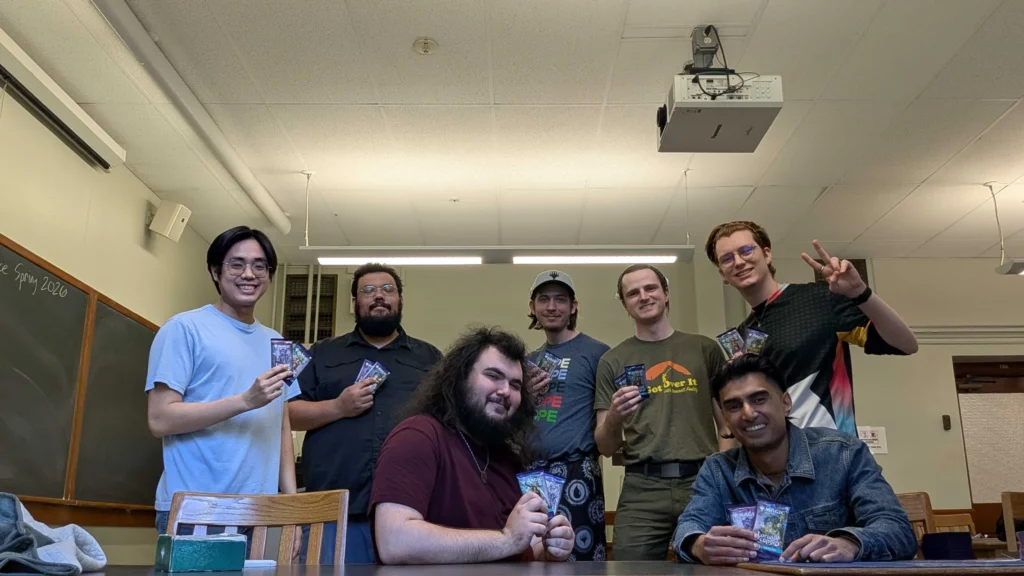
Running a conference is a fun way to gather judges and candidates, help people learn magic rules and policy, and find ways to build community in your area, as well as help people learn and grow as people themselves. Many skills of judging are very useful in other careers and in the community, so we want to encourage fun, learning, and community building at gatherings, classes, and of course, conferences.
What is a Judge Conference?
What a Sponsored Conference needs to be:
- A gathering of judges – bring judges together in a space, often a game store.
- Educational. Have presentations, discussions, or something else that helps judges review and learn rules, policy, and other aspects of judging! It’s fine to also have other relevant skills or training too (i.e. A past conference has hosted a talk on self improvement and community building, not just within the judge program).
- At least a few hours. It shouldn’t be just a quick meeting or meal, it should have either multiple presentations, or multiple components to take up, for example, a full afternoon.
What a conference can include beyond workshops or presentations:
- A mock tournament, with play-acting rules calls
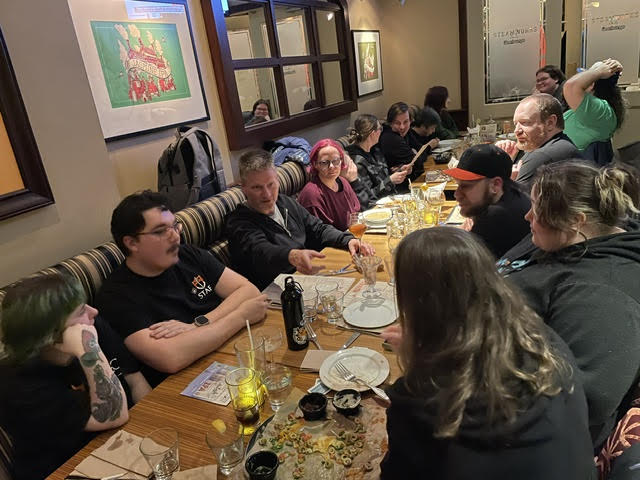
- A meal together
- A potluck
- A white elephant event
- A draft – though we recommend having mock judge calls to help train or practice
- A game show (trivia, bingo, etc)
- A round of commander for judges
Where to host a Judge Conference?
A conference needs to be in a publicly accessible location, where all JF members are welcome to attend. We recommend a game store, public libraries, college or university classrooms. Ask them permission and find a time they’d have space!
We don’t recommend hosting in private homes, for instance.
Finding a location can be tricky. Ask your local game stores first if they might have space on a time when it’s not busy – to have an area or room. You’ll often need a screen or projector if you have presentations (which are common at conferences), and you’ll want it quiet enough to hear discussion, so not in a busy game store area when events are ongoing.
Find and confirm a date and time for the space before you announce the conference!
Who will attend your Judge Conference?
Judges will attend! The main attendees who gain knowledge and experience from judge conferences are new judges (Judge Candidates-L2), new Judge Foundry members, and people starting to be interested in judging TCGs.
You need to get judges together – so you can create a sign up form or JudgeApps event page. Once the form is created, you need to share it with your community – Facebook pages, Discord groups, or message and share to judges you know individually.
You should send out this form for recruiting attendees and/or presenters or workshop hosts at least a month before the event. If you send it out too close to the event, it’s unlikely people can make it or will be able to change plans. We recommend at least a month in advance for announcing the event and attracting attendees and speakers.
We can recommend, as one option, connecting the conference to a larger regional event that is in your area, but you would likely want to schedule and announce it far in advance (over a month, to let traveling judges make plans to attend) and even speak with the event TO to let them know of your conference hosting plans.
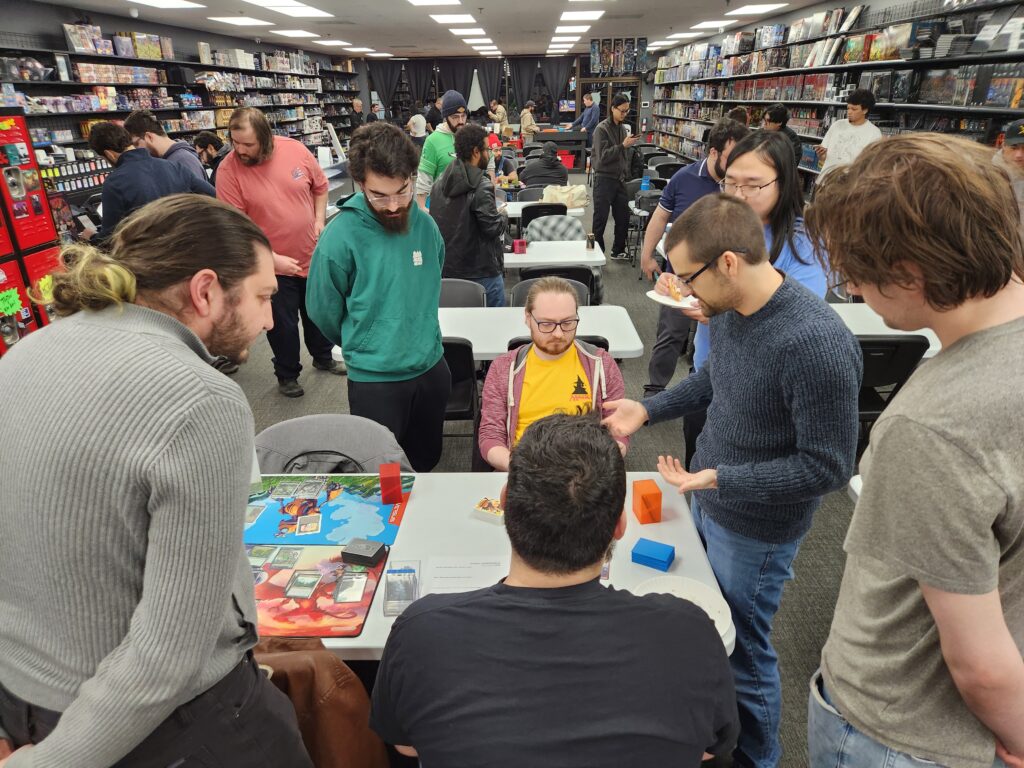
Presenters/Workshop Leaders
When you recruit for your conference, you need to find a few conference presenters or hosts. We recommend 3-5 presentations or workshops at your event, depending on the focus and goals of the event.
When you make your application, ask who would like to present – and if so, what topic they would be able to present on.
Once you choose what programming you host, we recommend you ask to see their slides, or materials, to help make sure it’s appropriate for the level of judging attendees, and confirm presentation quality (this means meeting online or in person with presenters, and reviewing their slides or topic, and asking what their plans are for any questions or situations). The JF Conference committee is working on creating a repository of presentations that you could offer experienced judges to use to present. Please ask the team about those.
Schedule
Once you have presentation hosts or speakers, you need to build a schedule, just like a professional conference. Have start and end times, confirm with speakers how long they need, and make sure you have a plan to remind people their time is low and/or running out when presenting. You want presentations to usually be between 30 – 60 minutes.
Ex:
12pm – Conference start intro welcome
12:15p -1:15p – 1st Presentation
1:15p – 1:45p – 2nd presentation (30 min presentation)
1:45-2pm Break
2pm-2:30p – 3rd presentation
2:30- 5pm – Commander games and mock calls by judges for judges
Thank Yous and Incentives
One of the main exciting parts of judge conferences under other systems was Judge foils! While JF does not have access to those, the JF board approved funding to sponsor conferences to make your conference interesting, exciting and having thank yous to make it an event people want to attend.
We want you to be creative on how to make this happen! Do you have a cube draft for all attendees? Do you buy pizza for attending judges? Would you like judge foundry items – notepads, hats, or 1 month gift JF memberships? Do you purchase boosters to give to those who answer questions asked in presentations, or those who ask at the end?
And think about your speakers/presenters – what can you do to offer them a larger thank you for sharing their time and expertise? A nice meal afterwards? A commemorative item from the host store? The committee will want to hear your ideas and/or can offer you suggestions when you apply to run a conference!
Ex: A recent conference hosted 4 speakers at 45 min talks each, after a local Regional Championship. The conference organizer bought pizza for all attendees, and took the speakers out to dinner together. This was all sponsored by JF.
Ex2: A conference hosted recently wanted to be a community building event, so hosted two 30 min talk presentations on rules sections, and then hosted a standard set draft for attendees free of charge for JF members, and a normal entry charge for non-members. Experienced judges were asked to invent or come up with mock (and real) judge questions as they drafted and played, and the organizer asked newer L1s to come and “take the judge call”, and then they could discuss best practices with all involved. Prizes were also awarded for all attendees and by record.
Sponsorship Levels
These are the JF sponsorship levels for expected attendance. Sponsorship will happen as reimbursements.
Up to 10 expected attendees – $400 maximum
Expected 3-5 presentations or workshops. 3 hour minimum.
Up to 25 expected attendees – $650 maximum
With 25 attendees, either a workshop or at least engagement focused talks should be scheduled and pre-screened by conference hosts. Expected 4-6 workshops or talks.
While the time requirement remains at 3+ hours, it could also be suggested to host the last hour as a social networking, judge tower/DanDan etc. in addition to connecting with other judges, with emphasis on meeting new judges, sharing stories and event examples with newer judges, etc. (Stories, shared examples, challenge questions, game show)
25-40 expected attendees – $1000 sponsorship.
With 40+ attendees, the conference will need to guarantee a large enough space, with confirmation from owner/location manager. It is suggested with 40+ attendees, that 2+ tracks of simultaneous workshops/presentations occur, to keep participants engaged, or host a ‘mock tournament’ for those practicing IPG scenarios. Expected 5+ workshops or talks, with potential tracks of offerings.
If you expect a larger conference than 40 judges, please contact the committee for sponsorship discussion.
Application and Reporting
When you are ready to apply for a conference, please fill out the JF Conference Committee’s form: https://docs.google.com/forms/d/e/1FAIpQLSdIguXBvRG-lDXuzGR7whdSB9gP–Bh3NBoYksxTeVfan06XA/viewform?usp=dialog
In it, the form will ask you to list location, date, presenters if you have them already, expected attendance, and if you will host Judge Foundry level testing. A member of the JF Conference team will reach out and help you coordinate and plan, and let you know what budget or incentives you are sponsored for, if your conference is approved.
Reporting
- You will need to collect attendance numbers. Name, JF membership, level, Attendee/presenter level
- You will need to take photos of the event, presentations, and group photo
- Receipts of anything purchased for incentives must be submitted. Do not give out cash or things unapproved, they won’t be reimbursed!
- The JF Board would like a written report. What went well, what didn’t, and what would you do differently? What was fun? Who tested for a judge level, and who passed/didn’t.
- Once everything is submitted and confirmed with the Conference Committee, JF will issue you a check for reimbursement for what you spent and submitted receipts for, and will likely want to share your event report!
Please feel free to ask the Judge Conference Committee questions or ask for support. The committee is building a repository of presentations and materials, and can help talk through logistics or planning with you.